Consoliae

Software that survives contact with real users.

We build AI agents and the ML infrastructure they run on, web and mobile applications, and the backend and servers underneath them. Then we operate the result.

4 years. 9 systems in production. 19 engineers.

Start a projectSee how we work

What we actually do

Six practices. The stack under each one is the stack we work in daily, not a capability slide.

AI agents

Agents that use tools, call your systems, and do work end to end. Retrieval, evaluation, guardrails, cost control — the parts that decide whether an agent is a demo or a dependency.

Claude · LangGraph · Temporal · pgvector · Braintrust · OpenTelemetry

ML infrastructure

Training and inference pipelines, model serving, vector stores, monitoring for drift and spend.

Ray · vLLM · Modal · Weights & Biases · Qdrant

Applications

Web and mobile products, built to be handed over — tested, documented, and yours.

TypeScript · React · React Native · Swift · Playwright

Backend engineering

APIs, data models, queues, and the services that hold a product together under load.

Go · Python · Postgres · Kafka · Redis · gRPC

Deployment and servers

Containers, orchestration, infrastructure as code, CI/CD. We put it live and we keep it live.

Kubernetes · Terraform · GitHub Actions · AWS · Grafana

Websites

Marketing sites and platforms that load fast and rank. This page scores 98 on mobile Lighthouse.

Next.js · Astro · Cloudflare · Sanity

Systems in production

9 shipped. All still operated by us.

0

services in production

0

deploys this month

0.00%

uptime, managed infrastructure, 90 days

0

models serving traffic

0

Sev-1 incidents this quarter

ProjectWhat we builtStackThe number
Hello DoorstepLuxury multifamily · resident apps + opsiOS and Android resident apps and the dispatch backend for five-nights-a-week doorstep collection across Texas communities.iOS · Android · Node.js · Postgres70+Texas communities served
Iron DepotHeavy equipment · marketplace + financingListings platform and financing pre-approval flow for Canada's largest used heavy equipment marketplace.Next.js · Node.js · Postgres · Stripe$60M+financed through platform
OmidnetcareHealthcare · EMR & hospital managementEMR and hospital management platform with HL7, FHIR and DICOM interoperability across clinical systems.HL7 · FHIR · DICOM · PostgresLiveclinical deployments
AuraSolveAIAI agents · multi-product SaaSFour AI-agent products — a voice front desk, interview screening, outbound calling and a CRM — behind one hub that owns identity, Stripe billing, trials and cross-product SSO.NestJS · Next.js · FastAPI · Postgres · MongoDB · Vapi · AWS4AI products on one hub
Chordline FHIR BridgeHealthcare · CMS-0057-F prior authorizationFHIR R4 façade over a utilization-management platform, serving Da Vinci PAS 2.0.1 and US Core 6.1 resources validated with the HL7 validator, built for SMART on FHIR.Node.js · TypeScript · FHIR R4 · Da Vinci PAS · Docker · AWS ECS11FHIR resource endpoints
ShareViralCreator economy · campaigns + payoutsCreator and brand campaign platform: Supabase backend with realtime feeds, Stripe creator payouts, and React Native creator and brand apps brought to parity with the web app.React · React Native · NestJS · Supabase · Stripe3surfaces on one backend
Kreators LabEducation · AI camp for kids, AustinCourse catalogue, enrolment and Stripe checkout with a parent dashboard and an admin calendar, on Next.js and Firebase with a callable-functions API.Next.js · Firebase · Stripe · AWS AmplifyLivekreatorslab.ai
Unite LivingProptech · digital tenant management, NorwayDigital tenant management system for Norwegian landlords: listings, contracts with e-signing, deposits, rent billing and the tenant lifecycle in one cloud platform.Web · billing · e-signing · depositsNONorwegian rental market
KatriaHospitality · restaurant point of service, NorwayRestaurant point-of-service platform: in-venue POS, web take-away ordering, upselling and real-time reporting for Norwegian operators.POS · web ordering · take-away · reportingLivekatria.com

How we work

Five stages. Each one leaves you something you can hold.

Stack, by layer

Languages and runtimes

TypeScript · Go · Python · Rust (where it earns it) · Swift · Kotlin · Node · Bun

AI and ML

Claude · open-weight models via vLLM · LangGraph · Temporal · Ray · MLflow · Braintrust evals · Weights & Biases

Data

Postgres · pgvector · Qdrant · Kafka · Redis · ClickHouse · Snowflake · dbt · Dagster

Infrastructure

Kubernetes · Terraform · AWS · GCP · Cloudflare · Argo · GitHub Actions · Grafana · Prometheus · OpenTelemetry

Frontend

React · Next.js · Astro · React Native · Tailwind · Playwright · Vitest

Who this is for

You have a prototype

It works on your laptop and in the demo. We turn it into a service with tests, limits, monitoring and an owner — without rewriting the idea out of it.

You are running something you can no longer maintain

Someone left, the deploy is manual, nobody knows why the queue backs up on Mondays. We take it over, document it, and stabilise it before we change it.

You are adding AI to a product that already works

The risk is not the model, it is what happens when it is wrong. We build the evaluation, the guardrails and the cost ceiling first.

Ask our engineer

A real assistant, running on this page. It knows what we build, how we price work, and when to tell you we are the wrong fit.

consoliae · sales engineeronline

Ask anything you would ask on a first call. It answers from what we have actually shipped, and it will say when something is outside what we do.

Scope estimator

Sized in engineer-weeks rather than currency, because effort is the honest unit before we have seen your code.

Project type
Surfaces
AI involvement
Infrastructure
640

Indicative effort

2545

engineer-weeks, at 3 people in parallel over 14 weeks

Team shape

Tech leadhalf
Backend / infra1
ML / agents1
QA / evalas needed

Phases

Scope2 wk
Architect2 wk
Build8 wk
Deploy1 wk
Operate3 wk

An estimate, not a quote. It moves on the state of your existing code, how fast your team can answer questions, compliance requirements, and whether the data you need exists yet. We firm it up after the two-week scope.

Send this scope to us

Us, freelancers, or hiring

We lose two of these rows. They are still the right answer sometimes.

Hiring in-houseFreelancersConsoliae
Time to first deploy3–6 months, after hiring2–4 weeks, if you scope it well3 weeks from signature
Cost profileLowest per year, highest to startLowest for small scoped workHigher rate, shorter duration
Ownership of codeYours, and the knowledge staysYours, knowledge often leavesYours, with handover documentation
Who is on call at 3amYour team, once it existsUsually nobodyOur rota, 15-minute response on Sev-1
What happens when it scalesDepends who you hiredRescope, or re-hireWe have done it before, at this stack
Hiring riskA bad senior hire costs two quartersLow, but so is commitmentNone; you end the contract
Long-term ownershipThe clear winnerWeakWe plan our own exit into your team
Small scoped workOverkillThe clear winnerWe will tell you to hire a freelancer
Breadth on day oneOne specialism per hireOne specialismBackend, ML, mobile, infrastructure

Three ways to work with us

Priced per engagement after the scope, not from a table.

Fixed-scope build

One system, one written scope, one date. Best when you know what you want and it will not move.

  • +Scope, architecture, build, deploy
  • +Test suite and handover documentation
  • +30 days of post-launch fixes
  • No ongoing on-call
  • Change requests re-scoped, not absorbed

Commitment: 8–16 weeks, milestone billed.

Dedicated team

most common

Two to five of our engineers inside your process, by the month. Best when the destination will change on the way.

  • +Named engineers, your standups, your board
  • +Re-prioritise every two weeks
  • +A technical lead accountable for delivery
  • No fixed launch date promise
  • Not sub-team-sized; one engineer alone does not work

Commitment: 3 months minimum, 30 days' notice.

Operate and maintain

We keep a system alive — ours or someone else's. Best when the build is done and the risk is Tuesday morning.

  • +On-call rota with a 15-minute Sev-1 response
  • +Patching, dependency and cost review
  • +Monthly report on latency, spend and incidents
  • Feature work billed separately
  • We will not take on a system we cannot instrument

Commitment: rolling monthly, after a paid two-week audit.

What they said, and what it did

“Five nights a week, doorstep collection across seventy-plus Texas communities. Resident apps on iOS and Android, dispatch backend in the middle.”

Operations, Hello Doorstep70+ Texas communities served

“EMR and hospital management in one platform, with HL7, FHIR and DICOM interoperability across our clinical systems.”

Clinical operations, OmidnetcareLive clinical deployments

“Listings, e-signed contracts, deposits and rent billing on one system. Built for the Norwegian rental market.”

Product, Unite LivingNorwegian rental market
Hello DoorstepIron DepotOmidnetcareAuraSolveAIShareViralKreators LabUnite LivingKatria

Where the systems run

9 systems across 5 countries. Each one deployed in its own region, with data that does not leave it.

Show the full country breakdown ↓

United States

4 systems

North America · us-east / us-west

  • Hello DoorstepResident apps + dispatch backend · 70+ TX communities
  • AuraSolveAI4 AI-agent products on one hub
  • Kreators LabAI camp for kids · Next.js + Firebase + Stripe
  • Chordline FHIR BridgeCMS-0057-F prior authorization · 11 FHIR endpoints

Canada

1 system

North America · ca-central

  • Iron DepotHeavy equipment marketplace + financing · $60M+ financed

United Kingdom

1 system

Europe · eu-west

  • ShareViralCreator campaigns + Stripe payouts · web + native

Norway

2 systems

Europe · eu-north

  • Unite LivingDigital tenant management · listings, e-signing, deposits
  • KatriaRestaurant point of service · POS, take-away, reporting

Bangladesh

1 system

South Asia · ap-south

  • OmidnetcareEMR + hospital management · HL7 / FHIR / DICOM

Questions buyers actually ask

Who owns the code?

You do, from the first commit. Repositories live in your GitHub organisation and we work inside it as collaborators. There is no escrow, no licence, and nothing you have to buy out at the end.

What happens if we stop working together?

A four-week handover, written into every contract: runbooks, architecture decision records, credential transfer, and two weeks of shadowing whoever takes over. If you need to leave faster than that, we compress it to two weeks and say so honestly in the report.

How do you handle security and our data?

Least-privilege access through your own identity provider, no production data on laptops, and synthetic or masked data in every non-production environment. We are happy to work inside your VPN, your cloud account, and your review process. Penetration test findings get fixed inside the engagement, not quoted separately.

Will you work with our existing engineers?

Usually yes, and it is the engagement that works best. Your team keeps context and product judgement; we bring the parts you have not done before. We review your pull requests and you review ours.

What is your response time on production incidents?

On an operate-and-maintain retainer: 15 minutes to acknowledge a Sev-1, any hour, and an engineer with commit access working on it. Sev-2 is one business hour. On a fixed-scope build there is no on-call after handover unless you add the retainer.

How do you price change requests?

On a fixed scope, anything outside the written scope gets an estimate in engineer-days before we start it, and you approve it in writing. On a dedicated team there are no change requests — you re-prioritise the backlog every two weeks and the cost does not move.

What timezones do you work in?

The team spans UTC−5 to UTC+5:30, and every engagement has at least four hours of overlap with your working day. On-call follows the sun, so nobody is answering a page at 3am on their own clock.

Do you sign NDAs and work inside our contracts?

Yes to your NDA, usually same day. We can work on your MSA rather than ours, and we carry professional indemnity and cyber cover. Our standard contract has no exclusivity or non-solicit clause against you.

Can you start next week?

Sometimes. We keep one scope slot open per month, and scope work does not need the full team. A build usually starts three to five weeks after signature, and we will tell you the real date before you sign, not after.

When are you the wrong choice?

If the work is a two-week widget, hire a freelancer. If you need a design-led brand build, hire a design studio and bring us in for the platform. If you have not decided what you are building, spend a week deciding first — we will send you notes for free rather than bill you to watch you think.
Tell us what is broken, or what you want to exist.

Here is what actually happens: an engineer — not a salesperson — reads it and replies within one working day with either three questions or a time to talk. On that call we sketch the architecture live. If we are the wrong fit we say so, and usually say who is right.

info@consoliae.comBook a 30-minute call — calendar link coming

Remote, UTC−5 to UTC+5:30. 19 engineers.

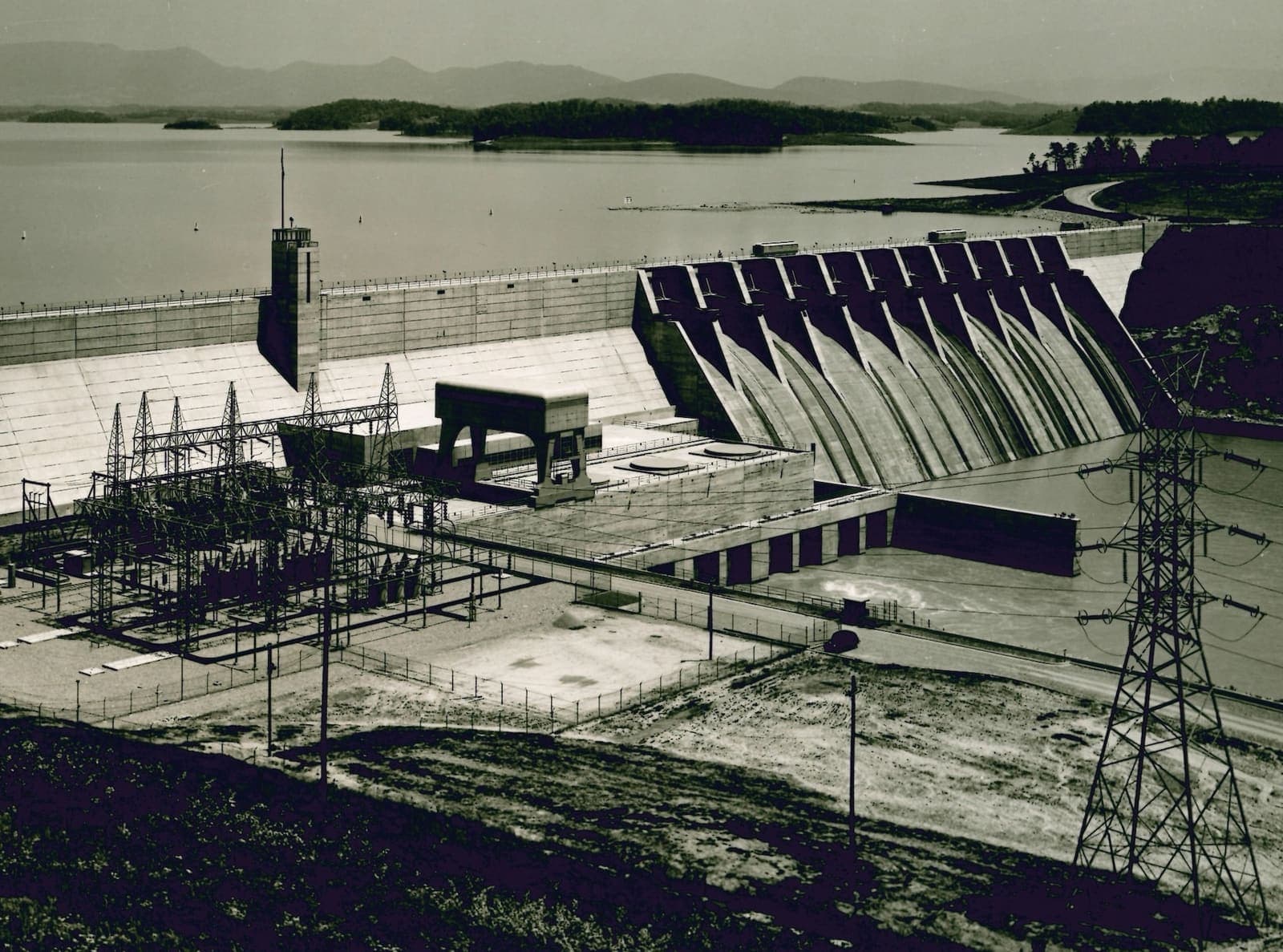
A hydroelectric dam and its switchyard under load
Infrastructure is only interesting when it is holding something back. Ours holds 34 services and 9 models in production.

No newsletter, no sequence. One reply from one person.